The market valued JSW Energy as a thermal power company, and priced it like one. Reading the order book told a different story — a substantial weighting toward SECI-linked solar and wind projects that pointed to a transition already underway, and which the market's description of the business did not reflect. We took the view that as the renewable mix became visible in reported earnings, the business would separate from its thermal peers.
PMS for ₹50 lakh+
Your wealth deserves a point of view.
Focused Indian equity portfolios, built on independent research, disciplined conviction and a long-term view.
01SEBI registered PMS
02Direct equity ownership
03Research-led investing
04Transparent reporting
Before we discuss portfolios
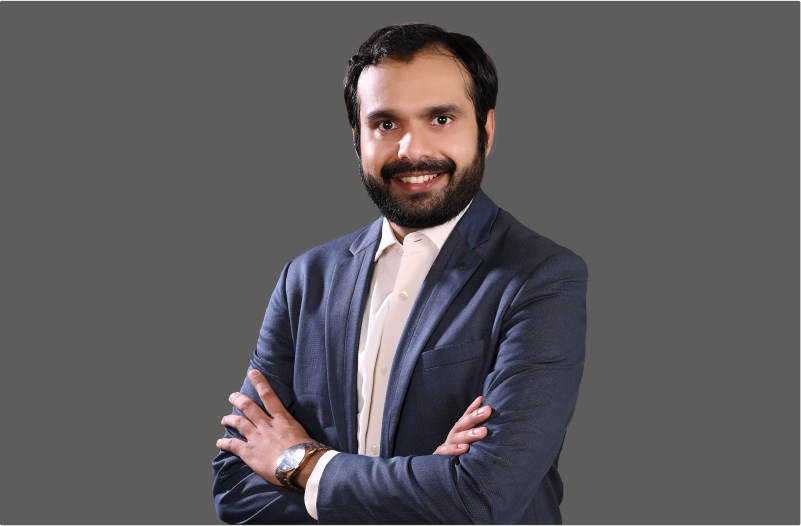 CA Divam Sharma
CEO & Co-Founder
CA Divam Sharma
CEO & Co-Founder
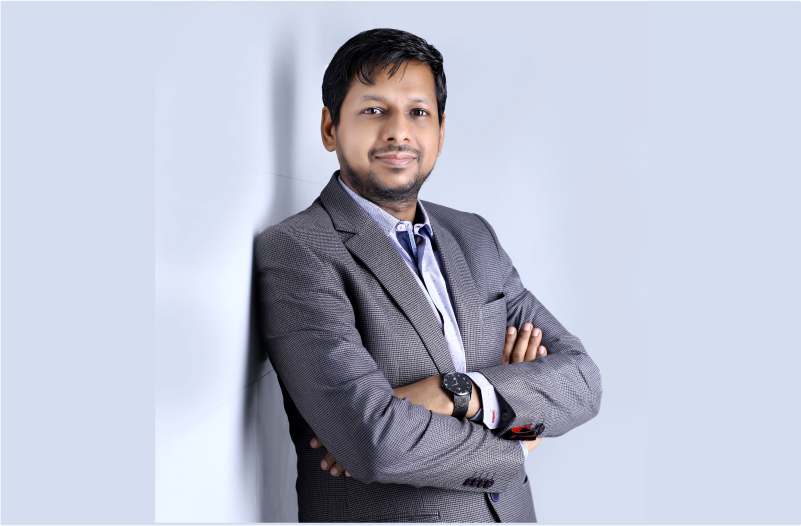 CA Anuj Jain
CIO & Co-Founder
CA Anuj Jain
CIO & Co-Founder
Meet the people behind every investment decision.
Hear directly from our founders about how Green Portfolio researches businesses, manages risk and builds concentrated portfolios.
CA Divam Sharma
CEO & Co-Founder
CA Anuj Jain
CIO & Co-Founder
Founder conversation
Green Portfolio
How Green Portfolio thinks about businesses
Research · Risk · Portfolio construction
15+ yearsHands-on equity investing
Research firstBusiness before narrative
SEBI registeredINP000006022
100+Management interactions annually*
Our research process
From 5,000 businesses
From 5,000 businesses
to 15 investments.
Every portfolio begins with a broad universe. Conviction is earned by eliminating ideas—not collecting them.
1 / 5
Investment stories
The thesis matters. The journey proves it.
A closer look at what we saw, what tested our conviction and what the evidence revealed over time.
JSW Energy
Our thesis
HFCL
Our thesis
The market read HFCL as an optical fibre company, and the fibre business was heavily beaten down at the time. What that framing missed was two adjacent businesses building underneath it — a networking and router portfolio supported by a PLI opportunity, and a defence portfolio with several products at advanced stages of development and management preparing to bid. We saw a chance to own a recovering core business alongside two verticals the market had not yet priced into it.
Sejal Glass
Our thesis
Sejal Glass came to us as a special situation. The company was in the NCLT process, which the market treated as a distress signal — but our reading was that it stemmed from a dispute between the lender and the promoter rather than a conventional operating default. Underneath that sat a Dubai facility with materially larger capacity than the Indian operations, which a team visit confirmed. The business looked considerably more intact than its situation suggested.
Time Technoplast
Our thesis
The market treated Time Technoplast as a plastic moulding company. What interested us was a product line that framing ignored — Type-4 composite cylinders, substantially lighter than conventional metal, arriving as CNG adoption accelerated across India. Lower cylinder weight lets a cascade carry more gas, and the safety advantages opened conversations with OEMs on vehicle-mounted applications. The company held a meaningful first-mover position, with hydrogen as a further extension.
OBSC Perfection
Our thesis
OBSC Perfection was an order book story. The book moved from around ₹290 crore to over ₹1,200 crore, and the composition mattered as much as the size — the company was extending beyond traditional automotive components into defence, marine and exports. Capacity investment was running alongside it, and the customer list included ZF, Tenneco and JTEKT. The market was still valuing it as an auto component supplier.
Case studies explain the research process and are not investment recommendations. Past performance does not indicate future performance. Holdings, views and outcomes vary across strategies and client accounts.
PMS strategies
One investment philosophy. Multiple ways to apply it.
Every strategy follows the same research discipline while serving a distinct investment objective.
01
High conviction
Special Fund
- Ideal investor
- Long-term investors seeking differentiated businesses
- Suggested horizon
- 5+ years
- Portfolio style
- GARP · Small & mid cap
- Risk profile
- High
- Minimum
- ₹50 lakh
02
Concentrated
Super 30 Fund
- Ideal investor
- Experienced investors with high volatility tolerance
- Suggested horizon
- 5–7+ years
- Portfolio style
- Dynamic · Concentrated
- Risk profile
- Very high
- Minimum
- ₹50 lakh
03
Income + growth
Dividend Yield Fund
- Ideal investor
- Investors balancing cash yield and capital growth
- Suggested horizon
- 3–5+ years
- Portfolio style
- Quality · Dividend led
- Risk profile
- High
- Minimum
- ₹50 lakh
04
Responsible growth
Impact ESG Fund
- Ideal investor
- Investors aligning enterprise value with responsible practice
- Suggested horizon
- 5+ years
- Portfolio style
- ESG integrated
- Risk profile
- High
- Minimum
- ₹50 lakh
05
Shariah compliant
Green Ethical Fund
- Ideal investor
- Investors seeking an actively managed ethical mandate
- Suggested horizon
- 5+ years
- Portfolio style
- Principles led
- Risk profile
- High
- Minimum
- ₹50 lakh
Risk labels are directional summaries, not a substitute for the strategy's disclosure documents and suitability assessment.
Transparent economics
Know every fee before you commit a rupee.
Understand how management fees, hurdle rates and performance fees can affect long-term outcomes.
Illustrative net value
₹92,12,176
Estimated net annualised return 13.00%
Gross value
₹1Cr
Estimated fees
₹6,48,027
How this model works
Performance fees apply only above the entered hurdle and prior high-water mark. Management fees are applied to each year's opening value.
View year-by-year illustration +
| Year | Opening | Gross | Management fee | Performance fee | Net closing |
|---|---|---|---|---|---|
| 1 | ₹50,00,000 | ₹57,50,000 | ₹50,000 | ₹50,000 | ₹56,50,000 |
| 2 | ₹56,50,000 | ₹64,97,500 | ₹56,500 | ₹56,500 | ₹63,84,500 |
| 3 | ₹63,84,500 | ₹73,42,175 | ₹63,845 | ₹63,845 | ₹72,14,485 |
| 4 | ₹72,14,485 | ₹82,96,658 | ₹72,145 | ₹72,145 | ₹81,52,368 |
| 5 | ₹81,52,368 | ₹93,75,223 | ₹81,524 | ₹81,524 | ₹92,12,176 |
This is an educational illustration, not a quote, promise or projection of returns. It excludes taxes, brokerage, custody and other charges. Actual fees depend on the selected strategy and signed agreement. Investment returns are not guaranteed.
Investment leadership
The people trusted with your capital.
Research is only as good as the judgement, discipline and accountability of the people behind it.
CA Divam Sharma
CEO & Co-FounderLeads Green Portfolio's strategy, client relationships and long-term stewardship.
 ISB Hyderabad
Alumnus
ISB Hyderabad
Alumnus
 ICAI
Chartered Accountant
ICAI
Chartered Accountant

CA Anuj Jain
CIO & Co-FounderLeads investment research, portfolio construction and the firm's conviction-led decision process.
ICAI
Chartered Accountant
A seamless onboarding journey
We handle the paperwork. You focus on the decisions.
A guided experience from the first suitability conversation to ongoing portfolio reviews.
-
01
Private consultation
We understand the role this capital must play in your wider wealth plan.
-
02
Portfolio recommendation
You receive a suitability-led view of the strategy, risk and fee structure.
-
03
Documentation
A dedicated relationship manager guides every digital form and disclosure.
-
04
Account opening
Custody, demat and banking formalities are coordinated with you.
-
05
Capital deployment
Capital enters the mandate through the strategy’s disciplined deployment process.
-
06
Ongoing reviews
Track holdings, performance and communication through transparent reporting.
Dedicated relationship manager
Digital documentation
Complete assistance
Before you decide
Clarity is part of the service.
A PMS is a consequential decision. These answers are a starting point, not a substitute for a suitability conversation.
What is the minimum investment for Green Portfolio PMS? +
The regulatory minimum for a Portfolio Management Service is ₹50 lakh. Suitability, risk capacity and the role of this capital should be assessed before investing.
Can I withdraw from my portfolio? +
Withdrawals are subject to the terms of your PMS agreement, available liquidity and applicable operational timelines. Your relationship manager will explain the process before onboarding.
How is a PMS portfolio taxed? +
Securities are held in the investor’s own account and tax treatment can vary by transaction, holding period, investor status and prevailing law. Investors should obtain advice from a qualified tax professional.
How will I see my holdings and performance? +
Investors receive direct portfolio visibility through a dedicated dashboard, along with factsheets, regulatory statements and periodic research communication.
What fees apply? +
Fee structures can include management fees, performance-linked fees and other applicable operating charges. The selected structure is disclosed in detail before the agreement is signed.
How do hurdle rates and performance fees work? +
A hurdle is a defined return threshold. Where the agreed structure includes a performance fee, it applies only according to the terms set out in the signed agreement, including any high-water-mark provisions.
What risks should I consider? +
PMS portfolios invest in market-linked securities and can experience meaningful volatility, drawdowns and periods of underperformance. Concentrated and small or mid-cap strategies can carry additional liquidity and business risk.
Who holds the securities? +
Securities are held in the investor’s own demat account through the appointed custodian and related service providers, rather than as units in a pooled mutual fund.
What documents are required for KYC? +
Requirements typically include identity, address, PAN, bank, demat and source-of-funds documentation. The exact list varies for individuals, entities and NRIs.
How long does onboarding take? +
Timelines depend on document readiness, KYC verification, custodian processing and investor type. The team coordinates each stage and keeps you informed throughout.
A private conversation
Let's discuss whether Green Portfolio is right for you.
No obligation. No pressure. Just an informed conversation with an investment specialist.
Minimum investment ₹50 lakh · Confidential discussion


 Talk To An Expert