How Inflation Is Linked to Currency and Oil
Tuesday, Jul 14, 2026
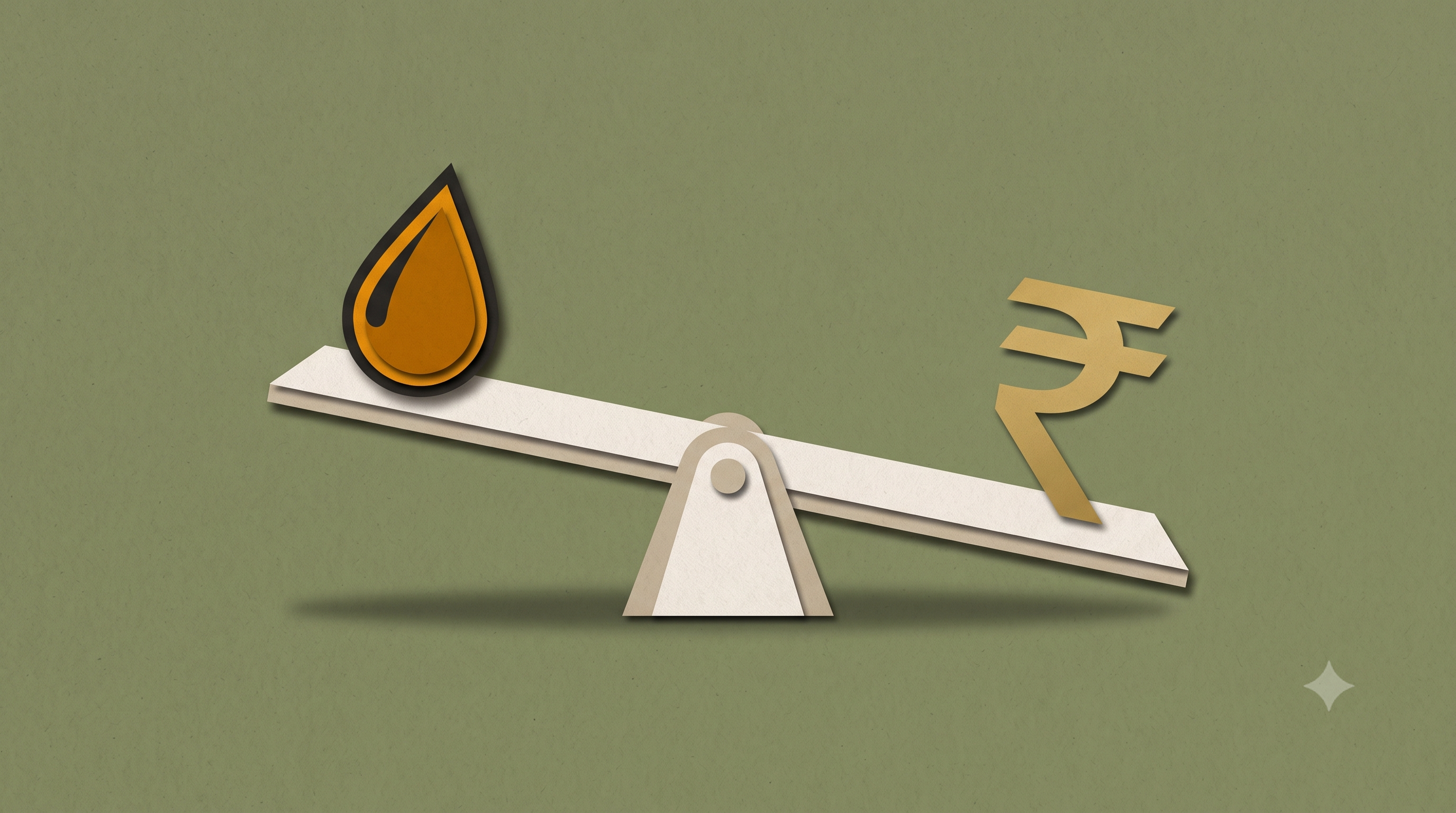
Almost everybody has felt the impact of inflation at some point, from an increased cost of groceries to the price of gas rising or the price of electricity increasing. These hikes in prices may appear to be unrelated but are linked in a bigger economic cycle, which includes currency values and the price of crude oil. Knowing how inflation is linked to currency and oil can lead individuals to make smart financial and investment decisions rather than respond to market headlines.
Changes in the price of crude oil in the world and fluctuating exchange rates between the Indian Rupee and other currencies can have a direct impact on inflation in countries such as India, which imports a major amount of crude oil from outside the country. This inflation-currency-oil relationship not only impacts businesses, but it also impacts governments and households. These relationships offer investors a valuable context for understanding and navigating the market's volatile nature and crafting a long-term investment approach. Instead of attempting to time the market, a platform such as Green Portfolio promotes a disciplined and consistent investment strategy that is guided by goals.
What Is Inflation? A Simple Explanation
Inflation is the sustained rise in the cost of goods and services over time and a fall in the value of money. In other words, the same dollar of purchasing power now allows one to purchase fewer items than it once did a couple of years ago. An increase in household spending power is associated with moderate inflation; however, if inflation is too high, it puts a strain on household budgets and can diminish the purchasing power of savings.
For example, imagine ₹100 can buy ten everyday items today. If inflation remains high over the next few years, the same ₹100 may only purchase eight similar items. This decline in purchasing power is why inflation matters to everyone, not just economists or investors.
Inflation is commonly measured using indicators like the Consumer Price Index (CPI), which tracks changes in the prices of goods and services consumers regularly purchase. When inflation rises too quickly, central banks may increase interest rates to slow spending and stabilize prices.
The Inflation, Currency, and Oil Relationship Explained
To understand the inflation currency oil relationship, it helps to see how these three factors influence one another.
Weak Currency ⇒ Costlier Oil Imports ⇒ Higher Fuel Prices ⇒ Rising Transportation Costs ⇒ Increased Production Expenses ⇒ More Expensive Goods and Services ⇒ Higher Inflation
India imports a large share of its crude oil requirements, and oil is traded globally in US dollars. If the Indian rupee weakens against the US dollar, importing crude oil becomes more expensive, even if international oil prices remain unchanged. These additional costs are often passed on to businesses and consumers.
As fuel prices increase, transportation companies spend more on logistics. Manufacturers pay higher costs to move raw materials and finished goods, while retailers adjust prices to maintain margins. Eventually, consumers notice higher prices across essential categories such as food, clothing, household products, and services.
This chain reaction explains why discussions about oil and inflation are so common during periods of economic uncertainty. A rise in oil prices rarely affects only petrol pumps; it influences multiple sectors of the economy.
Why Does Oil Have Such a Powerful Effect on Inflation?
Oil is one of the world's most important commodities because it supports almost every major industry. It fuels transportation, powers manufacturing, supports agriculture, and keeps supply chains moving. As a result, even a moderate increase in crude oil prices can create ripple effects throughout the economy.
For instance, if diesel prices rise, transporting vegetables from farms to cities becomes more expensive. Retailers may then increase prices to recover higher logistics costs, restaurants pay more for ingredients, and consumers eventually spend more on everyday meals. This indirect impact demonstrates why rising oil prices often contribute to broader inflation rather than affecting only fuel expenses.
By understanding these economic connections, investors can make more informed decisions during volatile periods instead of responding emotionally to short-term market movements.
How Currency Strength Influences Oil Prices
Crude oil is priced globally in US dollars, making exchange rates an important factor in determining import costs. When the Indian rupee weakens against the US dollar, India has to spend more to import the same quantity of crude oil. Even if global oil prices remain stable, a weaker currency can push up fuel prices domestically, adding to inflationary pressures.
On the other hand, a stronger rupee can reduce import costs and help keep inflation under control. While currency movements are influenced by several global and domestic factors, understanding this relationship helps investors appreciate why exchange rates are closely monitored by policymakers and financial markets.
|
Factor |
Immediate Impact |
Long-Term Effect |
|
Rising Crude Oil Prices |
Higher fuel costs |
Increased inflation across sectors |
|
Weak Indian Rupee |
Costlier oil imports |
Higher prices for goods and services |
|
Strong Indian Rupee |
Lower import costs |
Better inflation control |
|
High Inflation |
Reduced purchasing power |
Lower real returns on savings |
Example: How One Event Can Affect Everyday Expenses
Imagine global crude oil prices rise by 20% while the rupee weakens against the US dollar.
- Oil import bills increase.
- Fuel companies raise petrol and diesel prices.
- Transport companies increase freight charges.
- Manufacturers face higher production costs.
- Retailers increase product prices.
- Consumers pay more for groceries, online deliveries, travel, and other essentials.
This simple example shows why understanding how inflation is linked to currency and oil is important for both consumers and investors.
What Can Investors Do During Inflationary Periods?
Inflation and market volatility can create uncertainty, but reacting emotionally often leads to poor financial decisions. Instead, investors can focus on building diversified portfolios, investing consistently, and aligning investments with long-term financial goals.
Many investors today explore a smallcase investment because it offers curated portfolios based on specific themes, sectors, or investment strategies. Before deciding to invest in smallcase, it is important to evaluate your financial goals, investment horizon, and risk appetite rather than chasing recent market performance.
If you're researching a good smallcase to invest in, consider factors such as portfolio methodology, diversification, rebalancing approach, and the quality of underlying businesses. Likewise, understanding the smallcase minimum investment helps you choose an option that fits your budget without stretching your finances.
Some investors also explore a smallcase momentum strategy, while others prefer portfolios focused on quality, dividends, ESG themes, or long-term wealth creation. The right smallcase investment strategy depends on your individual objectives rather than short-term market trends.
How Green Portfolio Supports Goal-Based Investing
Instead of trying to predict every market movement, Green Portfolio promotes a disciplined and structured investment philosophy. Its carefully researched Smallcases are designed around different investment themes and risk profiles, helping investors stay focused on long-term wealth creation.
Whether you're looking for thematic investing through ESG portfolios, dividend-focused strategies, quality businesses, or sector-specific opportunities, Green Portfolio offers solutions that align with different financial goals. Investors searching for a top smallcase to invest should focus on selecting portfolios that complement their objectives instead of following market hype.
Beyond smallcases, Green Portfolio also offers GP Roadmaps, a milestone-based investing framework that helps investors progress from building their first meaningful corpus to managing larger portfolios with greater clarity and discipline. The emphasis is on following a systematic process rather than making emotional investment decisions.
Conclusion
Inflation, currency movements, and crude oil prices are closely connected, influencing everything from household expenses to business costs and investment returns. By understanding the inflation currency oil relationship, investors can better interpret market events and avoid reacting to short-term volatility.
Rather than attempting to predict every economic change, a disciplined investment approach built around diversification, long-term goals, and periodic reviews can help investors stay on track. Whether you're comparing the top smallcase to invest in, evaluating investment themes, or learning about smallcase investment charges, informed decision-making is always more valuable than emotional investing.
Frequently Asked Questions:
1. How is inflation linked to currency and oil?
Inflation rises when a weaker currency makes oil imports more expensive, increasing fuel, transportation, production, and consumer prices across the economy.
2. Why does oil have such a big impact on inflation?
Oil is used in transportation, manufacturing, agriculture, and logistics. Higher oil prices increase business costs, which are often passed on to consumers through higher prices.
3. Is a smallcase investment suitable during inflation?
A smallcase investment can provide diversified exposure to different sectors or themes, but investors should choose portfolios that match their financial goals and risk tolerance.
4. What should I check before I invest in smallcase?
Before you invest in smallcase, review the investment objective, portfolio strategy, historical performance, risk level, minimum investment amount, and associated charges.
5. What are smallcase investment charges?
Smallcase investment charges may include brokerage, statutory transaction costs, and fees, depending on the platform or portfolio. Investors should review all applicable costs before investing.
Share this story


Ready to build wealth?
Ready to build wealth?
 Talk to an expert
Share this story



 Talk To An Expert