Why the World Is Moving Away From the Dollar
Saturday, Jul 4, 2026
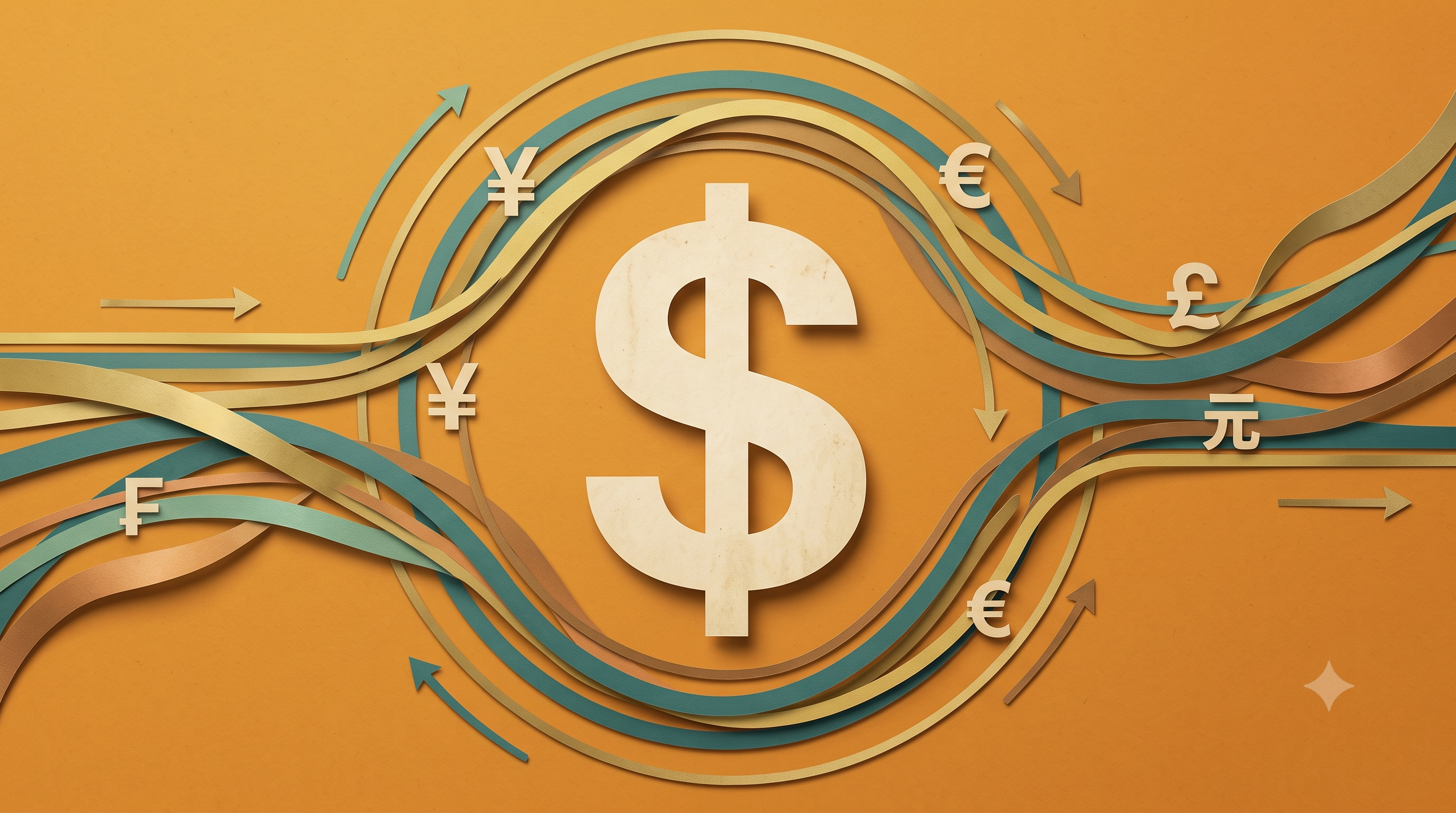
The US dollar has been the world's primary reserve currency for decades, and it has a significant influence on the global economy, including international trade, commodity pricing, and cross-border investments. However, recent developments have sparked conversations about why the world is moving away from the dollar and what this could mean for economies and investors.
What really is happening is that countries are not going to suddenly abandon the US dollar. But the world moving away from the dollar means it's a slow step towards diversification of trade and lessening of reliance on a single currency. The growth of local currency settlements and alternative payment mechanisms is increasingly prevalent in the context of economies that are growing their footprint in the world, such as India, China, and Brazil.
Investors need to be aware of these trends worldwide, as they can impact both business and financial markets, as well as the value of various currencies. But informed investing is all about acting with strategy and not emotions. For Green Portfolio, it is better to stick with a long-term investment strategy rather than follow the opinion of short-term, macroeconomic news.
What It Means When the World Is Moving Away from the Dollar?
The term "world moving away from dollar" is used to denote the decrease by countries of dollar dependence in international trade, foreign exchange reserves, and international financial transactions.
Traditionally, the US dollar has been used because of its stability, global acceptance, and deep financial markets. Today, however, several nations are choosing to settle selected trade transactions directly in their domestic currencies. This allows them to lower currency conversion costs and reduce exposure to fluctuations in the US dollar.
Example:
If India imports goods from another country, both nations can agree to settle payments in Indian rupees and the partner country's currency instead of converting everything into US dollars. This simplifies transactions while giving both countries greater financial flexibility.
Why Is the World Moving Away from the Dollar?
Understanding why the world is moving away from the dollar requires looking at several long-term economic changes rather than a single event.
Rising Economic Influence of Emerging Markets
Countries such as India, China, Brazil, and the UAE now contribute significantly to global trade. As their economies grow, they are encouraging greater use of local currencies in international business.
Expanding Local Currency Trade
Many governments have introduced bilateral trade agreements that allow businesses to settle transactions using domestic currencies. This helps reduce transaction costs and lowers dependence on the US dollar for every cross-border payment.
Diversifying Foreign Exchange Reserves
Central banks are gradually increasing investments in gold and other reserve currencies instead of concentrating heavily on the US dollar. Diversification helps reduce financial risk during periods of global uncertainty.
Technological Advancements
Digital payment systems and Central Bank Digital Currencies (CBDCs) are improving cross-border settlements. These innovations provide additional payment options while supporting more efficient international trade.
Understanding the De-Dollarization Trend
The de-dollarization trend is a gradual shift toward a more diversified global financial system rather than a complete replacement of the US dollar.
Several real-world developments illustrate this trend:
- India has promoted rupee-based trade settlements with selected partners.
- The UAE and India have explored local currency trade arrangements.
- BRICS nations continue discussions on expanding the use of domestic currencies.
- Many central banks have increased their gold reserves to diversify assets.
These initiatives show that countries are creating more choices for international trade rather than abandoning the dollar altogether.
Is the US Dollar Losing Its Dominance?
Despite the growing de-dollarization trend, the US dollar remains the world's leading reserve currency. It continues to dominate global trade, international investments, and central bank reserves.
What is changing is the level of dependence. Instead of relying almost entirely on the dollar, countries are gradually building a more balanced financial system by increasing the use of regional currencies alongside it.
Dollar-Based Trade vs Local Currency Trade
|
Feature |
Dollar-Based Trade |
Local Currency Trade |
|
Settlement |
Primarily in US Dollar |
Domestic currencies |
|
Conversion Costs |
Usually higher |
Often lower |
|
Currency Dependence |
High |
More diversified |
|
Trade Flexibility |
Global standard |
Greater regional flexibility |
What Does This Mean for India and Investors?
India's expanding role in global trade means currency diversification could influence exports, imports, commodity prices, and multinational businesses. However, these changes should be viewed alongside factors such as corporate earnings, inflation, and economic growth.
For individual investors, the key lesson is to avoid making investment decisions based solely on global headlines. Instead, focus on building diversified portfolios aligned with long-term financial goals. Whether investing directly in stocks or considering a smallcase investment, maintaining discipline is generally more effective than reacting to short-term market developments.
Why a Structured Investment Strategy Matters
Global economic shifts can create uncertainty, but reacting emotionally to every headline often leads to poor financial decisions. A disciplined smallcase investment strategy focuses on long-term goals instead of short-term market movements. Investors who follow a structured approach are usually better positioned to handle volatility because their decisions are guided by a process rather than market sentiment.
This is where clarity becomes important. Green Portfolio encourages investors to focus on goal-based wealth creation, portfolio discipline, and periodic reviews instead of constantly changing investments based on global news.
What Is a Smallcase Investment?
A smallcase investment is a basket of stocks built around a specific theme, sector, or investment strategy. Rather than selecting individual stocks one by one, investors gain exposure to a curated portfolio designed around a clear objective such as dividend investing, ESG investing, quality businesses, or sector-specific opportunities.
Many investors choose to invest in smallcase portfolios because they offer transparency and thematic exposure. Since each portfolio follows a defined strategy, it becomes easier to align investments with personal financial goals and risk tolerance.
Things to Know Before Getting Started
Before investing, it is important to understand the smallcase minimum investment required for a particular portfolio. The amount varies depending on the stocks included in the basket.
Investors should also check smallcase investment charges, which may include brokerage costs, transaction charges, and subscription fees, depending on the platform and portfolio. Understanding these costs helps investors evaluate the overall investment experience more effectively.
Popular Investment Themes Investors Explore
One advantage of thematic investing is the ability to align investments with long-term economic opportunities. Investors may use smallcase to invest in ideas based on trends such as renewable energy, healthcare, digital transformation, manufacturing, or dividend-focused strategies.
Another approach is the smallcase momentum strategy, which focuses on stocks showing strong price momentum over a defined period. While momentum investing can benefit from prevailing market trends, it may also experience higher volatility, so understanding the strategy is essential before investing.
How to Choose the Right Smallcase
Many investors search for a good smallcase to invest in or the top smallcase to invest in. However, there is no single portfolio that is suitable for everyone.
A young professional seeking long-term growth may choose a different strategy than someone approaching retirement. Similarly, an aggressive investor may prefer growth-oriented themes, while a conservative investor may prioritize stability.
Instead of simply looking for the top smallcase to invest in, investors should evaluate portfolios based on:
- Financial goals
- Risk appetite
- Investment horizon
- Portfolio diversification
- Underlying investment strategy
Building Wealth through Milestone-Based Investing
Global events like currency diversification may influence markets temporarily, but long-term wealth is usually built through consistency rather than prediction. This philosophy is reflected in Green Portfolio's roadmap approach, which encourages investors to think in terms of financial milestones instead of constantly chasing returns.
₹25 Lakh
Start Right
Beginner
Focuses on developing disciplined investing habits, reducing decision fatigue, and creating a simple investment structure.
₹1 Crore
Build a Core
Intermediate
Emphasizes consolidation, clarity, and a structured investment framework as portfolios become larger.
₹5 Crore
Scale with Guardrails
Advanced
Prioritizes risk management, disciplined reviews, and protecting accumulated wealth through a systematic approach.
Across all stages, the core principles remain the same: invest with a clear goal, keep portfolios simple, follow a disciplined process, and review investments periodically.
Conclusion
Understanding why the world is moving away from the dollar helps investors interpret today's changing global economy with greater perspective. The de-dollarization trend reflects diversification and financial flexibility rather than the end of the US dollar's importance.
For most investors, the key takeaway is simple: global currency shifts are worth understanding, but they should not become the sole basis for investment decisions. Whether exploring a smallcase investment, evaluating thematic opportunities, or building a diversified portfolio, long-term success is more likely to come from consistency, patience, and a structured investment process.
Instead of trying to predict every global development, investors can benefit from focusing on financial goals, maintaining diversification, and following a disciplined strategy that evolves with their wealth over time.
Frequently Asked Questions:
1. Why is the world moving away from the dollar?
Countries are gradually reducing their dependence on the US dollar by increasing local currency trade, diversifying reserves, and strengthening regional financial partnerships.
2. Will de-dollarization replace the US dollar completely?
No. The US dollar remains the world's leading reserve currency, and the current shift is focused on diversification rather than complete replacement.
3. What should I know before making a smallcase investment?
Understand the investment objective, portfolio composition, associated risks, smallcase minimum investment, and smallcase investment charges before investing.
4. Is there a good smallcase to invest in for every investor?
No. A good smallcase to invest in depends on your financial goals, risk appetite, and investment horizon.
5. How can investors stay focused during global uncertainty?
By following a structured investment plan, diversifying portfolios, reviewing investments periodically, and staying committed to long-term financial goals instead of reacting to short-term headlines.
Share this story


Ready to build wealth?
Ready to build wealth?
 Talk to an expert
Share this story



 Talk To An Expert